Mayor TV is a challenge from America’s mayors to the 2008 Presidential candidates: Start talking about cities. Learn more
- Mayor Manny Diaz
- Miami, FL / Pop. 404,048 / Elected 2001
-
“The media and the pollsters focus on issues like war, abortion, gay rights. Quite frankly, for those of us in the trenches, they're not the hot button issues.”
— Mayor Manny Diaz
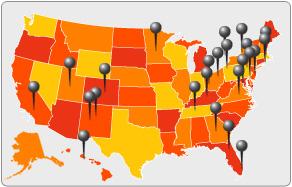
- Mayors We Interviewed
-
-
Antonio Villaraigosa
Los Angeles, CA
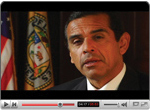
“Poverty, work and opportunity, bolstering the middle class, housing, infrastructure ... it is absolutely criminal that the federal government has failed to address these issues.”
-
Shirley Franklin
Atlanta, GA
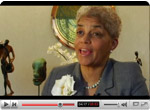
“We must invest in infrastructure, or Atlanta's economy -- and the national economy -- is going to shrivel up and die.”
-
Manny Diaz
Miami, FL
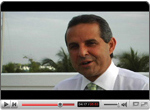
“The media and the pollsters focus on issues like war, abortion, gay rights. Quite frankly, for those of us in the trenches, they're not the hot button issues.”
-
John Hickenlooper
Denver, CO
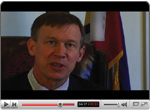
“Cities are America's laboratories. But once we figure out solutions, we need the federal government's help to roll them out to the entire country.”
-
R.T. Rybak
Minneapolis, MN
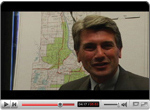
“I want a community organizer in the White House, because that's what I do every single day.”
-
Douglas Palmer
Trenton, NJ
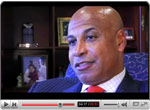
“Our cities are where it’s at.”
-
Christopher Doherty
Scranton, PA
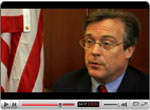
“The strength of a city is the combustion engineering that takes place inside it.”
-
Pegeen Hanrahan
Gainesville, FL
“Use our cities more effectively.”
-
Byron Brown
Buffalo, NY
“The presidential nomination process certainly has a negative effect on the coverage of cities.”
-
Tom Menino
Boston, MA
“I challenge you, presidential candidates - talk more about cities. It will be beneficial to you, it will be beneficial to the country.”
-
Rocky Anderson
Salt Lake City, UT
“President Bush has not only neglected cities, but has hurt our cities in such enormous ways.”
-
Sheila Dixon
Baltimore, MD
“We have wars here in our city. We should be making strides against drugs and gang violence, but it's something I never hear the presidential candidates talk about.”
-
Bob Duffy
Rochester, NY
“Our cities across this country are proud. They have a great history. But like a boxer, they've taken one knee, and they have to bring themselves back.”
-
Antonio Villaraigosa
- More About:
- The Nation
- Drum Major Institute
Alon Levy on 12.13.07:
First, it's not true that 50% of Americans don't vote. About 50% of adult US residents don't vote, but that figure includes non-citizens and convicted felons. The true voter turnout in the US is in the low 60s.
Second, yeah, the US is ignoring urban issues. The federal government has been engaging in a war on its cities for more than fifty years. It subsidized new building rather than renovation, homeowners rather than renters, cars rather than mass transit, roads rather than rail networks. For much of the 1950s and 60s, it encouraged cities to demolish every neighborhood that stood in the way of a highway or didn't conform to its vision of car-oriented living. The new upper middle-class suburbs used restrictive zoning to keep the working class and minorities out; the federal government used redlining in inner cities to keep the middle class out. That's why New York State's tax imbalance with Washington is twice and half again what it would take to implement the universal health care plan Amy describes, and why New York City's tax imbalance with the state could fund a project the size of Second Avenue Subway every year and a half.